Testing cannabis for pesticides is essential to ensure product safety and quality. Professional labs use advanced LC-MS-MS (liquid chromatography-tandem mass spectrometry) technology to detect even trace amounts of residues. Today, we’ll explain how labs test for pesticides in cannabis using LC-MS-MS with this in-depth guide.
Why Pesticides in Cannabis Are Harmful
Certain pesticide residues can transform into harmful byproducts when consumers heat the cannabis, causing serious health risks. For instance, myclobutanil, a fungicide, can convert into hydrogen cyanide when heated, a substance highly toxic to humans.
Furthermore, consuming cannabis contaminated with pesticide residues may lead to respiratory issues, headaches, or allergic reactions, especially for users with compromised immune systems. Long-term exposure poses even greater risks, including potential hormone disruptions or carcinogenic effects linked to certain pesticide compounds.
What Are the Most Common Cannabis Pesticides?
Cannabis growers apply pesticides to manage pests, but using certain chemicals can leave harmful residues in the final product. Below are some of the most common pesticides in cannabis cultivation:
- Myclobutanil: Growers use them to target powdery mildew, but when heated, it releases hydrogen cyanide, a highly toxic substance.
- Abamectin: Farmers rely on this pesticide to control mites and other pests. However, exposure to its residues can lead to neurological issues when consumers inhale or ingest them.
- Spiromesifen: Cultivators use this chemical to eliminate spider mites and whiteflies. Its residues may lead to long-term health risks, including reproductive issues.
- Imidacloprid: Many growers use this to treat aphids and other insects, but significant exposure can affect the nervous system due to its toxicity.
- Bifenthrin: Producers use this chemical to handle mites and other pests. However, it can irritate the skin and cause respiratory problems.
Overview of LC-MS-MS
LC-MS-MS,Liquid Chromatography-Tandem Mass Spectrometry, is a powerful tool for detecting pesticides in cannabis. It works by separating, identifying, and quantifying chemical compounds. Labs prefer this method because it can handle complex samples, such as the cannabis matrix, while delivering accurate results.
Unlike older methods, LC-MS-MS excels at analyzing multiple pesticide residues in one run. For example, while gas chromatography may falter with certain pesticides, LC-MS-MS captures a broader range without breaking stride. Its sensitivity means labs can trace even the smallest residues, ensuring precise pesticide measurements.
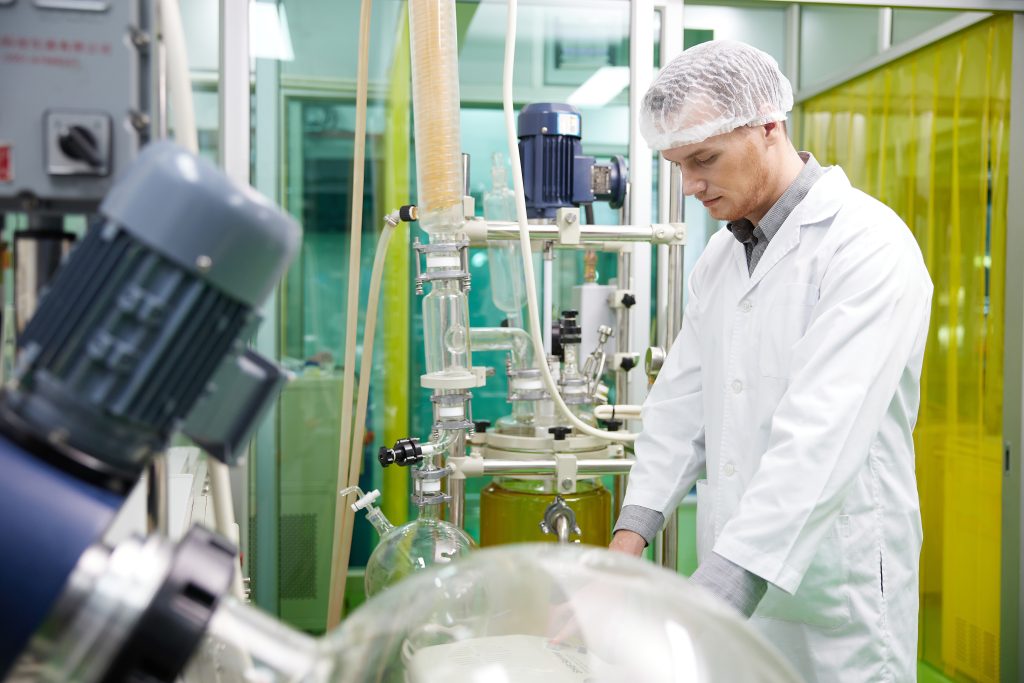 scientist operating control panel with cannabis extraction machines in testing lab
Step-by-Step Process of Testing
Cannabis pesticide testing protects your reputation while ensuring you deliver safe products, whether you’re a grower or a processor. Here’s the step-by-step process of LC-MS-MS for a comprehensive look at the testing process.
Preparing the Cannabis Sample for Testing
Labs process cannabis samples to create a uniform mixture, ensuring consistency during the analysis. Technicians break down flowers, concentrates, or oils to their base form, using blenders or grinders in controlled environments to prevent contamination.
Next, labs perform extractions, separating the pesticides from the cannabis matrix through specialized solvents such as acetonitrile. These solvents target pesticide residues without degrading the compounds of interest.
Labs typically clean the extract to remove unnecessary plant material or lipids that interfere with analysis to enhance precision. Overall, proper preparation ensures your sample remains viable throughout the testing process.
Calibrating the LC-MS-MS System
Labs prepare the LC-MS-MS system before analyzing a sample to ensure precise and targeted results. Calibration involves programming the equipment with parameters specific to cannabis testing. For example, labs upload a library of pesticide targets based on client needs or regulatory requirements, covering chemicals such as myclobutanil or spinosad.
This step affirms that the machine recognizes pesticides accurately and determines their exact levels in a sample. Labs frequently verify the detector’s sensitivity to confirm it identifies even trace residues.
Analyzing the Sample in the Liquid Chromatography System
Analysts use liquid chromatography, the “LC” in LC-MS-MS, to separate compounds and test for pesticides in cannabis. The LC system directs a liquid solvent to move the sample through a specialized column with materials that isolate these compounds based on their chemical characteristics, such as polarity or molecular weight.
For instance, highly polar pesticides interact with the column’s material for longer periods, allowing less polar compounds to move through and exit first. This precise approach prevents pesticide residues from overlapping, ensuring the data remains clear and easy to analyze.
This step is important because it prepares the sample for tandem mass spectrometry, where analysts identify and measure the compounds.
Detecting Pesticides with Tandem Mass Spectrometry
The next step in detecting pesticides involves tandem mass spectrometry, a highly advanced process for identification and quantification. This system measures the mass-to-charge ratio of each molecule. It begins by ionizing pesticide molecules, then filters and fragments them for thorough analysis. These steps allow the system to determine the types of pesticides present and measure their concentrations, even in extremely small amounts.
For instance, tandem mass spectrometry can differentiate between structurally similar compounds, such as bifenthrin and permethrin, which conventional methods might incorrectly group together. The system cross-references its findings with extensive pesticide libraries, ensuring accurate and comprehensive reports.
Interpreting Results and Reporting Findings
The lab’s technicians interpret the results after the LC-MS-MS system generates data. They analyze chromatograms and show the concentration of each pesticide. Lab experts deliver results in compliance-ready reports, sharing insights to producers. These reports may include flagged compounds that require further investigation or adjustments in cultivation methods. This final step ensures you have the information needed to keep your products safe and compliant.
How Industry Professionals Use Results To Improve Cannabis
LC-MS-MS results provide valuable insights that help you refine and elevate your cannabis products. Cultivators review their methods and switch to safer pest control solutions when pesticide levels exceed acceptable limits. For example, growers may replace chemical pesticides with organic alternatives or adjust application schedules to keep residues below regulatory thresholds.
Processors use these results to improve extraction techniques, removing contaminants while preserving cannabinoids and terpenes. Beyond cultivation, compliance teams analyze the data to ensure every product meets stringent state regulations. This proactive approach prevents potential recalls and builds consumer trust.
Manufacturers leverage pesticide testing data to enhance product labels, offering transparency about the safety and quality of their cannabis. These targeted improvements create safer, higher-quality products that meet consumer expectations and legal standards.
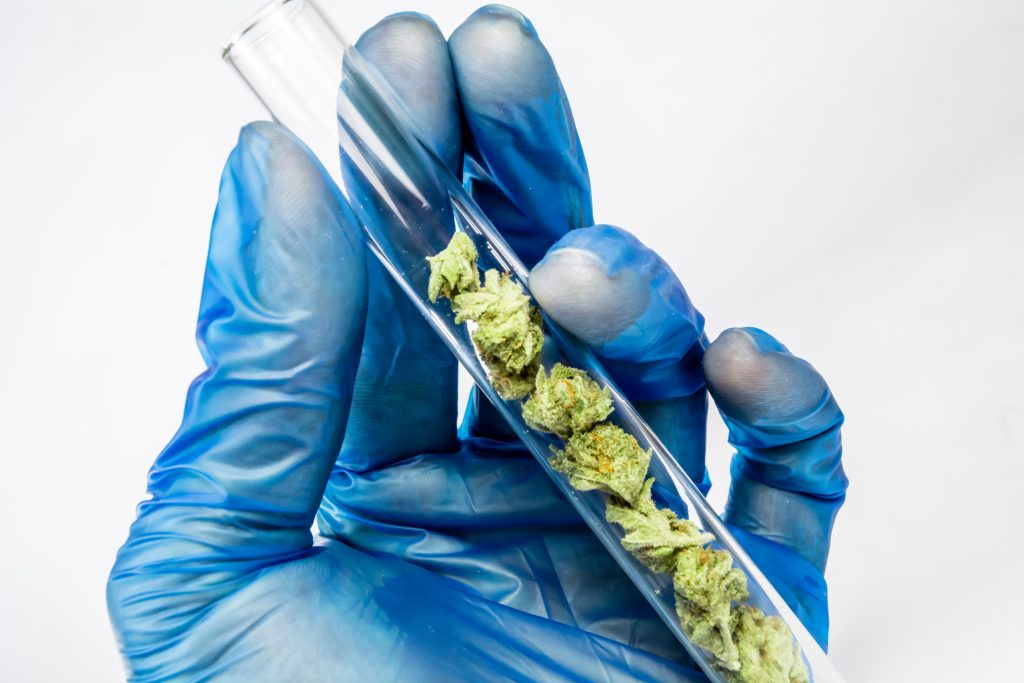
Need Professional Lab Results? Call Encore Labs
Encore Labs delivers accurate pesticide testing using advanced LC-MS-MS technology. Our cutting-edge equipment identifies even trace amounts of harmful substances, ensuring your products meet the highest safety standards.
Our customized methodologies and advanced equipment allow us to detect even trace levels of harmful substances, giving you the confidence to market your cannabis with transparency. We tailor our services to your needs.
With fast turnaround times, exceptional customer support, and an experienced team of scientists, we’ve earned our reputation as a premier cannabis testing facility. Don’t leave your product’s quality or reputation to chance—partner with Encore Labs for comprehensive, dependable testing, from flower to concentrates. Contact us today to get started!