Cannabis is a plant that thrives when grown in harmony with nature. For outdoor cultivators, success depends on aligning with the natural rhythm of the seasons to get the best results, from the first seed planted in spring to the harvest in autumn. October has long been regarded as a vital time to bring in outdoor cannabis crops, a moment coined in the industry as “Croptober.” Understanding the plant’s lifecycle and the harvesting process explains why this month is so special.
The Cannabis Plant Lifecycle Outdoors
Growing cannabis outdoors requires patience, planning, and close attention to the environment. Here’s how the lifecycle unfolds under the sun:
Germination (April–May)
Growers typically start seeds indoors or in controlled environments to give them a strong start before transplanting. Seeds need warmth, moisture, and oxygen to sprout, producing seedlings that will later be moved outdoors once the risk of frost is gone.
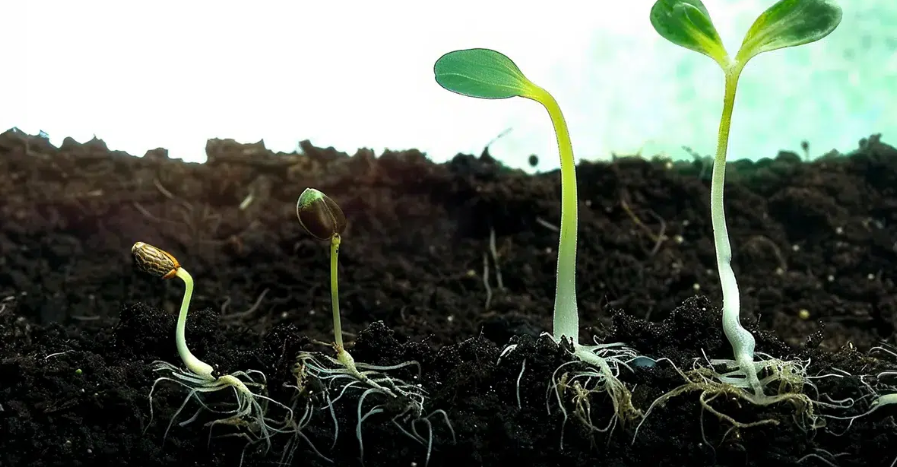
Germination occurs when the seed splits open and begins to sprout. This can take anywhere from five days to two weeks. The sprout represents the taproot, and its appearance signals the seed is ready for planting.
Seedling Stage (Late Spring)
Once transplanted, young cannabis plants require protection and care. Seedlings are delicate and prone to pests, but with proper soil preparation, mulching, and organic pest control, they establish quickly in outdoor gardens.
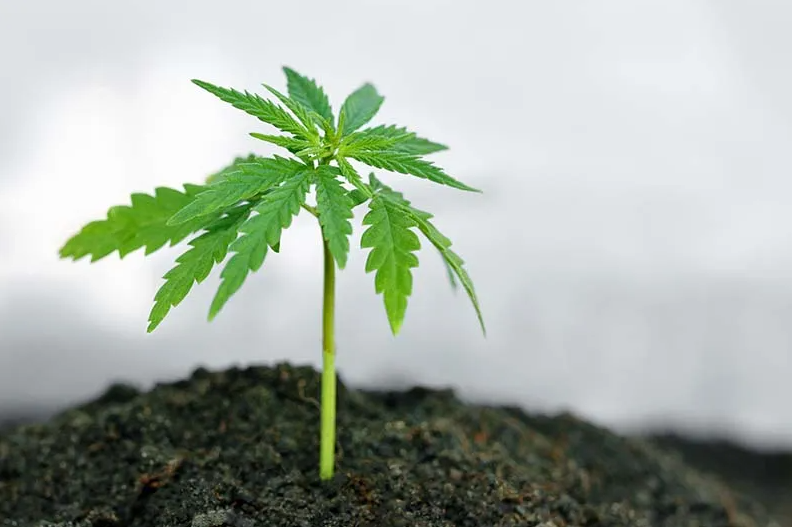
The small stem will eventually become the main stem of the plant. As the stem grows, it will begin to produce leaves, each with a single leaflet. After two to three weeks, the plant will begin producing full-sized leaves which are usually between 5-7 leaflets per leaf depending on the strain and variety of cannabis.
Vegetative Growth (June–July)
During the long summer days, cannabis plants focus on producing stalks, branches, and lush leaves. Growers often use training techniques such as topping or low-stress training (LST) to encourage bushier plants and better light exposure. Adequate water, nutrients, and sunlight are critical as this is when plants build the size and structure that will support heavy buds later in the season.
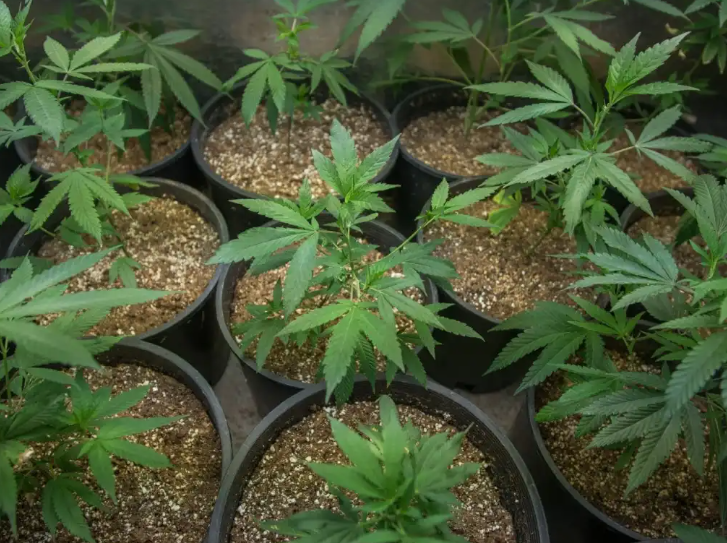
This is also the stage where growers transplant their plants to larger pots if they’re not already transplanted into the ground to accommodate new growth. Growing plants in the vegetative phase will require about 18 hours of light, ample airflow, nitrogen-rich nutrients, and more water than the seedling phase.
Flowering Stage (August–September)
As daylight hours shorten, cannabis transitions naturally into flowering. Female plants begin to form resinous buds while growers monitor for pests, mildew, or mold and other common threats in late summer. Outdoor cultivators must also ensure airflow between plants and may prune leaves to prevent excess moisture buildup.
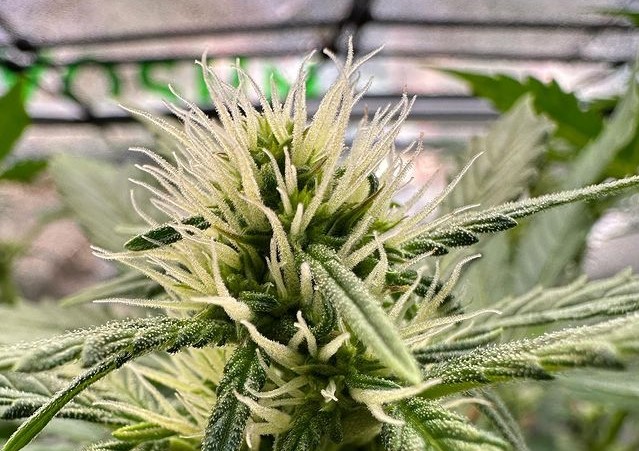
When operating an indoor grow, the flowering phase can be triggered by cutting back the amount of light your plant receives from 18 to 12 hours to mimic the changes in the seasons. Flowering plants require special care including additional fertilization and even trellising to support the weight of dense cannabis buds.
Harvest (October)
By October, most strains are fully mature. The exact harvest window depends on the strain, but trichomes (the resinous glands on buds) are the key indicator. Under magnification, growers look for trichomes turning from clear to cloudy or amber, signaling peak cannabinoid and terpene levels.
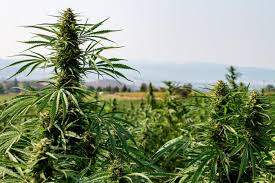
Why October is the Best Time for Harvest
Peak Maturity: By October, cannabis plants grown outdoors under natural sunlight have completed their full flowering cycle. Buds are dense, sticky with resin, and at their most aromatic.
Cooler Nights, Richer Profiles: The shift in temperature during early autumn enhances terpene expression and can even bring out purple hues in certain strains.
Historical Tradition: Just like grapes, apples, and other fall crops, cannabis has a traditional harvest season. “Croptober” has become a cultural marker in the cannabis community.
The Harvesting Process
Harvesting cannabis is a meticulous process that determines the final quality of the product. Here’s how it works:
Timing the Cut
Growers choose the exact harvest day by checking trichomes and pistils. Trichomes that are cloudy or slightly amber indicate peak potency. Harvesting too early can result in less potent buds while waiting too long can lead to degraded cannabinoids.
Cutting the Plant
Plants can be harvested whole or branch by branch. Many growers prefer cutting branches individually for easier handling and drying. Larger fan leaves are often trimmed off immediately to prevent excess moisture.
Drying
Branches are hung upside down in a controlled environment with steady airflow, moderate humidity (45–55%), and cooler temperatures (60–70°F). This slow drying process, usually lasting 7–14 days, preserves terpenes and prevents mold.
Curing
After drying, buds are trimmed and placed into airtight containers like glass jars. They are opened daily to release moisture and allow fresh air in—a process called “burping.” Proper curing, which can take several weeks, enhances flavor, aroma, and smoothness.
Final Testing and Storage
Before cannabis can be sold, it undergoes laboratory testing to ensure it meets safety and compliance standards. Once cleared, it is stored in airtight containers away from light and heat to preserve potency and freshness.
Conclusion
The cannabis lifecycle is a natural process deeply tied to the changing seasons. Outdoor growing showcases the plant’s full potential, from spring seedlings to lush summer growth, and finally, resin-rich buds in October. By harvesting at the right time and following careful post-harvest practices, growers achieve the highest quality product nature can provide.
For outdoor cultivators, October is more than just another month, it’s the reward for months of care, patience, and partnership with the sun and soil. It’s a time when the cannabis community comes together to celebrate a year’s work and the unique qualities that only outdoor-grown cannabis can deliver.