Every February 4th, hemp enthusiasts, advocates, and entrepreneurs celebrate National Hemp Day. This day is dedicated to raising awareness about hemp’s historical, industrial, and environmental significance. But how did National Hemp Day come to be, and what does it represent? Let’s take a closer look at its history and why it’s worth celebrating.
The Origins of Hemp in Human History
Hemp is one of the oldest cultivated plants in human history, with evidence of its use dating back over 10,000 years. Civilizations in Asia, including ancient China, cultivated hemp for its fibers, which were used to make ropes, textiles, and even some of the earliest forms of paper. The Chinese also utilized hemp seeds for their nutritional value and pressed them for oil. In India, hemp was revered for its medicinal properties and was used in traditional Ayurvedic remedies.
In the Middle East, hemp was an essential material for creating durable fabrics and ropes, vital for trade and transportation. Ancient Egyptian tombs have revealed hemp fibers, suggesting its use in the production of linen-like fabrics. Meanwhile, in Europe, hemp became a staple crop during the Middle Ages, widely used for making sails and ropes essential for naval exploration.
In early American history, hemp was so vital that farmers were mandated to grow it in several colonies, such as Virginia and Massachusetts. Hemp was used to produce essential goods like ropes, sails, and clothing. The crop played a crucial role in supporting the burgeoning economy of the colonies. Founding fathers like George Washington and Thomas Jefferson were known to cultivate hemp on their farms, recognizing its agricultural and economic value.
However, hemp’s reputation took a downturn in the 20th century when it was conflated with its psychoactive cousin, marijuana, leading to widespread prohibition. Despite this, its historical significance remains undeniable, and its legacy continues to influence modern hemp advocacy.
The Road to Hemp Advocacy
By the late 20th century, activists and advocates began working tirelessly to dispel myths about hemp and highlight its potential benefits. Organizations like the Hemp Industries Association (HIA) played a pivotal role in educating lawmakers and the public on the differences between hemp and marijuana. They lobbied for policy changes and organized campaigns to showcase hemp’s industrial and environmental advantages.
Farmers and researchers also joined the movement, conducting studies to demonstrate hemp’s viability as a sustainable crop. Grassroots efforts, combined with support from environmental groups, emphasized the role hemp could play in reducing dependence on fossil fuels and improving soil health.
The push for legislative change culminated in the introduction of the 2018 U.S. Farm Bill. Advocates worked closely with legislators to craft language that clearly defined industrial hemp as distinct from marijuana, setting a legal framework for its cultivation. Public figures and industry leaders amplified the message, highlighting the economic opportunities hemp could bring to rural communities. Their persistence paid off when the bill was passed, federally legalizing industrial hemp and removing it from the Controlled Substances Act.
This monumental victory was the result of decades of advocacy, education, and collaboration, paving the way for a hemp renaissance in the United States.
The Birth of National Hemp Day
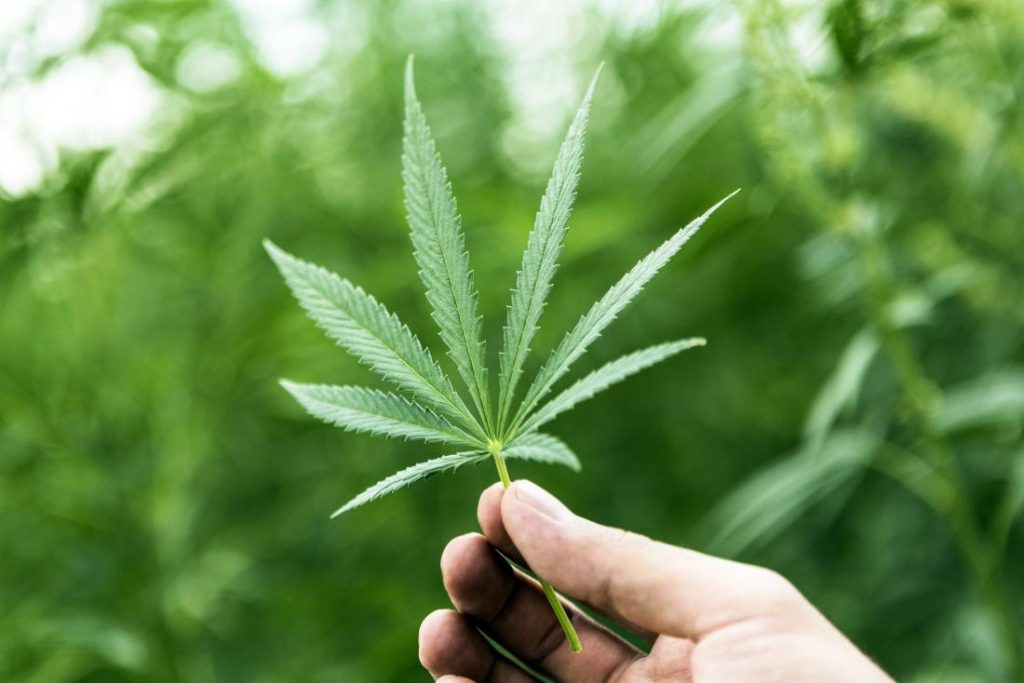
National Hemp Day was established in 2019 by the cannabis industry leader CBDistillery. February 4th was chosen as the date to celebrate hemp’s growing impact on sustainable farming, wellness, and the economy. Since its inception, the day has been embraced by farmers, businesses, and advocates who seek to educate the public about hemp’s benefits and its distinction from marijuana.
Why Celebrate National Hemp Day?
Environmental Benefits: Hemp is a highly sustainable crop. It requires less water and fewer pesticides than traditional crops and can help replenish soil nutrients.
Economic Opportunities: The hemp industry has created thousands of jobs and generated billions of dollars in revenue globally.
Wellness Potential: Hemp-derived products, including CBD, have gained recognition for their potential to support wellness.
Historical Significance: Honoring hemp’s role in human civilization reminds us of its resilience and versatility.
How to Get Involved
Educate Yourself: Learn about hemp’s uses and benefits.
Support Hemp Businesses: Purchase products made from hemp, including clothing, food, and wellness items.
Advocate for Policy Changes: Support legislation that promotes sustainable hemp farming and research.
Share on Social Media: Use the hashtag #NationalHempDay to spread the word and join the conversation.
Conclusion
National Hemp Day is not just about celebration; it’s about building a future free from stigma, where hemp plays a vital role in sustainability, wellness, and innovation. By understanding and honoring the history of National Hemp Day, we can contribute to a brighter, greener tomorrow for everyone.