In 2024, the California cannabis industry was turned on its head. It wasn’t due to higher taxes, nor was it due to a newer, more potent cannabinoid being discovered, it was due to a bombshell article that claimed that legal, tested weed was actually dirty and riddled with pesticides that you had never heard of. The now infamous LA Times article, sent shockwaves through the industry stretching far beyond the California borders due to its incriminating overtones that painted the whole cannabis industry in a negative light. While the initial fervor from the article has subsided, the lasting effects have seen a call for stronger regulations and a list of what many are calling “Category 4” pesticides. We have already discussed the article here, but we wanted to take a deeper look at what these Category 4 pesticides are and what that means for brands, consumers, and the future of the cannabis industry.
History of Pesticides Testing in California Cannabis
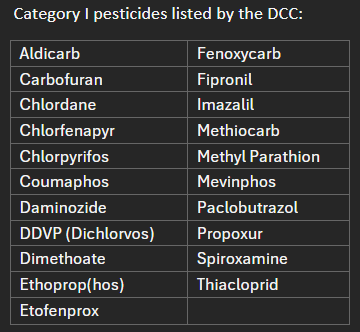
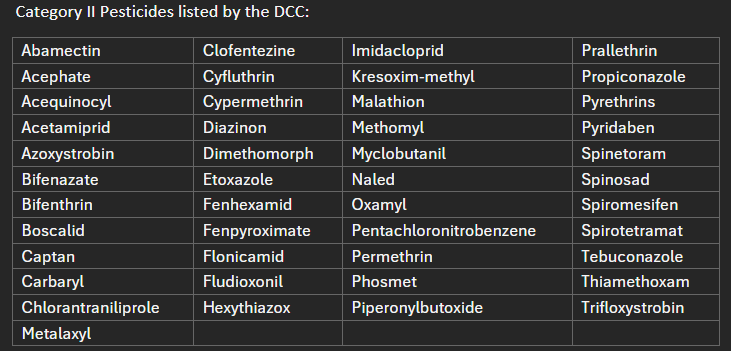
The Department of Cannabis Control (DCC) (initially created as the Bureau of Cannabis Control or BCC) is the governing body in charge of setting and regulating cannabis standards and operations throughout the state. When it comes to testing, they are the ones who set the limits and provide licenses to accredited laboratories to operate and ensure the safety of products throughout the state. When legalization occurred in California, the then BCC came up with these rules and regulations for labs and specifically listed out 66 pesticides that needed to be tested, and these pesticides were separated into two specific categories: Category I and Category II.
Category I pesticides were considered highly dangerous and had no detected amount allowed within cannabis products. This strict regulation meant that even if there was .01 micrograms of a pesticide found within the sample tested, the entire batch failed and needed to be destroyed or remediated (if possible). Category II pesticides were deemed moderately dangerous and had allowable limits that could be detected and still pass testing regulations, and those limits varied based on the type of product it was found in (eg. Edibles, flower, concentrates). Brands required to do testing would often combine these two lists and call the entire service of testing “Category III” pesticides. This combination created a misunderstanding around the industry about the requirements of different pesticides and how labs detected them.
Cannabis Pesticide Levels
When the DCC listed out the 66 pesticides that would be tested and what allowable limits (if any) would be set, many argued that the state was being too strict. Not only were the amount of pesticides being tested far more than any other state at the time, but the limits were so low that everyday items you find at the grocery store would most likely have failed to meet them. The consensus was that cannabis products were being unfairly treated due to the taboo nature of the plant, but further research showed why these strict regulations had to be set. Many of these pesticides had shown no adverse affects and were allowed in higher quantities when consumed and digested through the stomach, but when those same pesticides were combusted and entered the respiratory system they had the potential to cause much more damage. That leaves cannabis products in a strange position, one where the strict regulations mean that any edible product is likely safer than most items sold at a typical grocery store, but still ostracized due to the potential risks that small amounts of contaminants pose when combusted and inhaled.
While cannabis products should be ensured safe for the public to consume, people often fail to recognize how much testing is done behind the scenes before it makes it to dispensary shelves. It is more than just cultivators needing to test their flower and manufacturers needing to test their oil, many cultivators need to test their soil and nutrients, while manufacturers will test their hardware. This rigorous testing is done because even the smallest amount of contaminants can cause an entire batch to fail and end up being destroyed. The overall sentiment remains that these stringent regulations hold cannabis products to a level of scrutiny that is above any other industry, yet the article’s assertion that these products are extremely unsafe seems disingenuous.
What Are Category 4 Pesticides?
The term “Category 4” pesticides is not a standard classification used by any regulatory agency such as the EPA or California Department of Pesticide Regulation (CDPR), so how did this list even come up? These “Cat 4” pesticides were essentially made up by a few companies that felt that the testing regulations for pesticides did not cover enough of the important pesticides commonly used within the industry by growers and manufacturers. The new pesticides that were not included in the original regulations released by the DCC have been drawn from similar requirements in tobacco testing, however not everyone agrees on the importance of those pesticides. Each person, brand, lab, or other entity can take a handful of the thousands of pesticides not listed by the DCC and now say that those are all Category 4 pesticides. In Colorado, the governing body recently implemented a list of 108 pesticides, which includes 42 more pesticides than California’s current regulations. By the current understanding, those 42 extra pesticides would be deemed Category 4 pesticides, however there are other groups that claim as many as an extra 100 pesticides are necessary to test. What the actual number should be remains a mystery, but what remains clear is that the need for higher testing requirements is not only necessary, but encouraged.
What Happens Next?
Now that attention has turned to testing regulations, what happens next? While many brands and other figures have been arguing about who is doing things the “right way” the clear need for a unified direction could not be more apparent. There are currently groups banding together to try and create that sense of direction which will put needed pressure on the DCC to act, but without proper guidance or legislative change this still may cause confusion among both brands and consumers. Why should a brand, grower, or manufacturer that has been taking care of their products and ensuring consistent testing need to shell out more money for extra testing methods that are not required or even proven necessary? Similarly, how will consumers know what it means when a product is “certified-clean” when it already has passed the DCC full panel of testing? The burden rests with the DCC to act swiftly to help quell the spread of misinformation, but also lays bare the truth that years of treating cannabis as a Schedule I drug has prevented proper research being done to shed light on these very questions.
Conclusion
To their credit, the DCC is planning on implementing changes to their current regulations sooner rather than later. Labs have been briefed with these new changes and asked to provide feedback into what may need more revisions and any other changes that may be recommended. While that process is ongoing, there will be groups trying to capitalize on this fear within the industry and attempt to spread more disinformation or line their pockets. The truth about pesticides testing remains complex with California’s previously strict guidelines suddenly being deemed not strict enough. As always Encore Labs will stay devoted to integrity and safety when it comes to cannabis testing ensuring reliability in a volatile industry.