Myrcene is one of the primary terpenes in cannabis, significantly influencing its aroma, effects, and therapeutic properties. It has an earthy, herbal scent with citrus notes. Terpene promotes relaxation, amplifies the effects of cannabinoids, such as THC, and supports the plant’s overall entourage effect. Today, let’s examine myrcene, what it is, and how it affects you.
What Is Myrcene?
Myrcene is a monoterpene, a key component of many cannabis strains. It provides an identifiable herbal, musky fragrance that defines indica-dominant chemovars. While cannabis remains a primary source, other natural carriers of myrcene include lemongrass essential oil, bay leaves, and hops.
Historically, herbalists utilized myrcene-rich botanicals for pain relief and relaxation purposes. Its small molecular structure and high volatility allow it to disperse easily, making it ideal for vaporizers and topical applications.
Myrcene’s Role in Cannabis
Myrcene defines the sensory attributes of many cannabis strains through its distinctive aroma. Its earthy, herbal, and slightly citrus notes create a signature fragrance. This terpene’s aromatic strength can influence consumer preferences.
Typically, individuals gravitate toward strains myrcene-rich strains when seeking cannabis with a grounded, soothing profile that delivers sensory and functional benefits.
Value for Marketing and Product Development
A strain’s terpene profile is a vital aspect of effective cannabis marketing. Myrcene holds a prominent position, as its widespread presence and association with relaxation make it a prime selling point for medical and recreational consumers.
Products boasting high levels of myrcene resonate with consumers seeking predictable, calming effects. Additionally, formulations for sleep support or stress relief often list myrcene as a defining attribute. Enhanced extraction techniques allow manufacturers to preserve this terpene, offering pure, strain-specific experiences.
Effects of Myrcene on the Human Body
Myrcene allegedly affects youby physically relaxing your body. Many consumers call it the “couch-lock” experience as these effects suit anyone seeking unwinding, stress reduction, or enhanced sleep quality.
This terpene may potentially increase cell membrane permeability, enhancing the absorption of cannabinoids, such as THC or CBD. Faster cannabinoid uptake translates to more pronounced effects, which can improve products targeting swift relief.
Myrcene also may reduce muscle spasms or stiffness. Cannabis users exploring natural remedies for pain management seek out myrcene-rich strains for arthritis, fibromyalgia, and other chronic inflammatory disorders.
Its anti-inflammatory properties ease swelling and improve mobility, while its analgesic effects reduce pain intensity by enhancing the interaction between THC and CB1 receptors in the body’s endocannabinoid system.

The Entourage Effect and Cannabinoid Synergy
Many cannabis growers think of myrcene as a central figure in the entourage effect—a phenomenon where cannabinoids, terpenes, and other plant compounds interact to produce enhanced effects. Myrcene may act as a catalyst in this synergy, amplifying the efficacy of THC, CBD, and other cannabinoids.
As mentioned, its potential ability to increase cell permeability allows these compounds to interact more efficiently with the body’s endocannabinoid receptors. This mechanism translates to a faster onset of effects and greater therapeutic impact.
Myrcene’s Chemical Interactions
Myrcene’s molecular structure supports its ability to interact with other cannabis components. Its small size and high volatility allow it to integrate seamlessly into product formulations, enhancing aromatic and functional profiles.
Myrcene has been attributed with strengthening relaxation, while combinations with CBD have anti-inflammatory effects when cultivators pair this terpene with cannabinoids, such as THC. Beyond cannabinoids, myrcene works in unison with other terpenes. For example, myrcene with linalool may intensify calming sensations, whereas blends with limonene could potentially create a nuanced balance between relaxation and uplifting effects.
Understanding these chemical relationships allows cultivators to create certain formulations for specific consumer preferences and therapeutic needs.
Myrcene’s role in product formulation extends across medical and recreational markets. Products targeting sleep, such as tinctures or gummies, emphasize myrcene’s calming outcomes. Similarly, wellness-oriented offerings, including topicals or bath soaks, incorporate myrcene for its alleged anti-inflammatory and muscle-relaxing properties.
Importance of Myrcene Testing
Myrcene influences cannabis effects, particularly its relaxing properties. Testing identifies myrcene levels in strains, providing data that ensures product consistency and precision. This information also helps cultivators develop strains for specific needs and gives consumers clarity on product characteristics.
Gas chromatography (GC) and liquid chromatography (LC) dominate terpene testing. Facilities use GC with mass spectrometry (GC-MS) to separate and analyze volatile compounds, such as myrcene. LC offers an alternative, preserving heat-sensitive components.
Terpene testing is essential in identifying variations or abnormalities in cannabis batches from a quality control perspective. Testing detects any deviations from expected profiles, allowing cultivators to address issues before products reach the market.
Myrcene Testing in Practice
Terpene testing bridges the gap between cultivation science and ensuring reliable, consistent cannabis products for consumers. Breeders can stabilize strain profiles by determining myrcene levels, ensuring that plants consistently express the desired aromas, flavors, and therapeutic qualities over multiple harvests.
Technological Advancements Supporting Myrcene Production
Producers increasingly adopt newer breeding techniques to enhance terpene production, including myrcene. These methods allow cultivators to design strains optimized for terpene content, ensuring consumers receive consistent profiles from batch to batch. Advances in genetic mapping further streamline the process, enabling the cannabis industry to refine terpene profiles with greater accuracy.
Modern extraction techniques, such as supercritical CO2 and hydrocarbon extraction, allow producers to preserve myrcene’s delicate structure. These methods maintain the terpene’s potency and aroma, ensuring high-quality results in concentrates and other terpene-heavy products. Technological improvements also make the process more sustainable, reducing waste and energy consumption.
Technology also improves the way producers monitor and control terpene production during cultivation. Portable terpene analyzers allow for real-time measurement of myrcene levels, enabling growers to adjust conditions for optimal outcomes.
Current Obstacles to Optimizing Myrcene
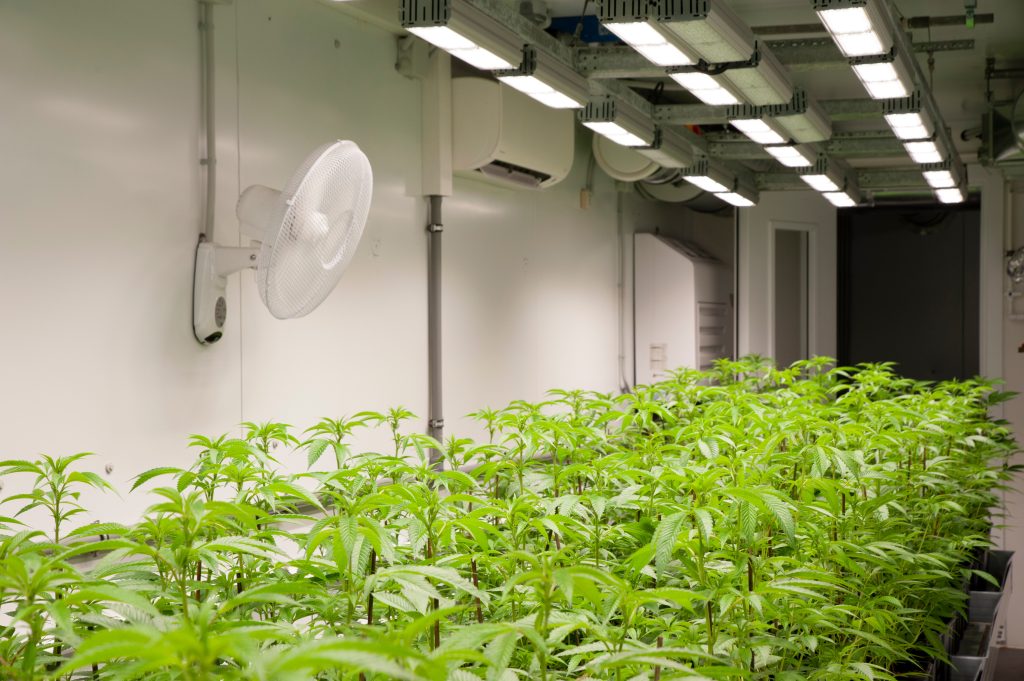
Despite its value in cannabis formulations, myrcene presents challenges for producers and cultivators. Ensuring consistent terpene levels across strains can be difficult due to variations in growing conditions and genetics. Environmental factors, such as light exposure and nutrient availability, heavily influence terpene development, creating inconsistencies that may complicate production at scale.
Concentrated myrcene product applications also raise questions about long-term impacts. Ongoing research will uncover how to safely and effectively manage terpene levels in different cannabis offerings.
Overall, producers must remain mindful of balancing potency, safety, and quality as consumer demand for myrcene-rich products grows.
Myrcene’s Growing Role in Cannabis Innovation
Myrcene refines cannabis experiences. Its potential calming and aromatic properties make it a standout terpene in formulations for stress relief. Producers actively explore ways to leverage this terpene to develop products that cater to wellness-focused consumers while expanding recreational offerings.
Creative opportunities for myrcene-infused products continue to evolve. For example, its potential to influence aroma and effects makes it a natural fit for flavor-forward concentrates, edibles, or beverages.
Terpene’s full potential could unlock even more diverse applications as research advances, solidifying its role in wellness and recreational markets.